
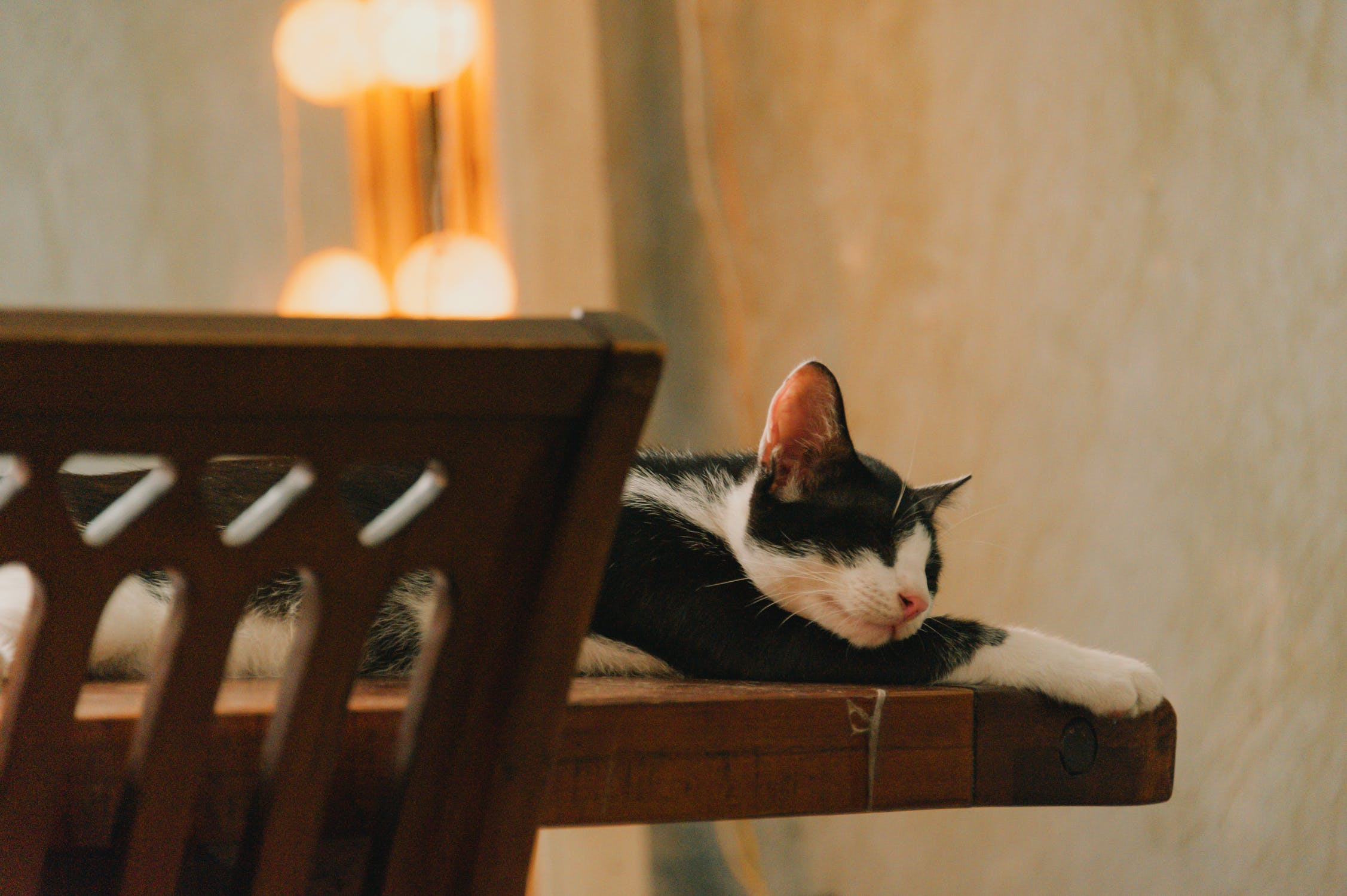
So much behavior is the result of the physical space we inhabit. Just think about how much of your behavior is dictated by the buildings you occupy, the design of the objects you use and the structure of the city or town in which you live. Apply this same rationale to your cat, and you will start to understand why it’s important to create a comfortable home environment and also offer them a “safe space” as a retreat whenever they need a break.
What you'll learn in this article:
- How to prepare a special area for your cat
- Why it your cat needs to stay indoors (unless on a harness)
- The importance of monitoring interactions with pets and people
- How to "cat proof" your home
Prepare a special area
When you take your cat cat home, he may be frightened or unsure about what’s happening, so it’s important not to overwhelm him. Prepare a special area for your cat to help ease his adjustment into a new home environment. Sometimes it is better to confine your cat to a small room, such as a bathroom, at first, to let him adjust before giving him free rein in your home. Equip the room with:
- Food and water
- A litter box
- A cardboard scratcher and cardboard box. Having a box to hide in will help your cat feel less stress while adjusting to their new space.
Another reason that we recommend a small room is because cats will typically hide in new environments. It is not uncommon for a cat to hide underneath a bed or in a dark, quiet place for the first couple of days. Isolating your cat when you first take them home allows you to know what room they're in and helps you to monitor eating, drinking and potty habits more closely.
Keep your cat indoors only (unless harnessed)
A garage, backyard or outdoor enclosure is not a suitable accommodation for a cat. If your cat seems very curious about going outside or is constantly at the door waiting for the right moment, please take extra precautions to ensure that they don't accidentally sneak out when you are coming or going.
If you want to take your cat outside on a leash and harness, you are welcome to do so in the safety of an enclosed yard or area. Ensure that the leash and harness are the right size and fit well before you take your cat outside.
Monitor interactions
During the first couple of weeks, minimize the people and pet introductions to your cat, so that they are only meeting immediate family and your personal pets. If you have other pets at home, it is especially important to give your cat a space of their own where they can stay while getting used to all the new sounds and smells. Don’t leave your cat unattended in your home with your personal pets until you are comfortable that all of the animals can interact safely.
"Cat proofing" your home
Even if your cat previously lived in a home, we don't know how they'll react in your home. With this in mind, we highly recommend "cat proofing" your home and taking a few precautions:
- Remove anything that would be unsafe or undesirable for your cat to chew on. This includes people food, electrical and phone wires. chemicals, and house plants as many of these things are toxic to cats.
- Remember cats love to climb. Survey your bookshelves and remove anything that can be knocked down.
- Close all toilet lids and trash cans. If you leave lids open, your cat will want to explore areas that they probably shouldn't.
- Safeguard small house animals. Make sure aquariums or cages that house small animals, like hamsters or fish, are securely out of reach of your cat.